Source Sicilian Style African Wax Fabric for Garments, Bags, and Curtains
Compare 30 listings of Sicilian Style African Wax Fabric suitable for garment, bag, and curtain applications. Buyers can evaluate features like waterproofing, tear resistance, and printing methods across various models and origins.
Key considerations
Products List


140g African National Style Pure 100% Cotton Wax Fabric African Printed Cloth
$0.83 - $0.84
MOQ: 9000 Yards


Cheap Polyester Cotton African Wax Printed Fabric for Garment Dress/Handbags
$0.47 - $0.55
MOQ: 12000 Yards


African Good Quality Hot Sale Polyester Wax Fabric Home Textile Clothes Fabric
$0.40 - $0.80
MOQ: 5000 Meters

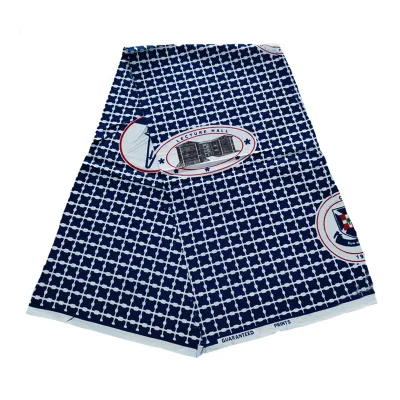
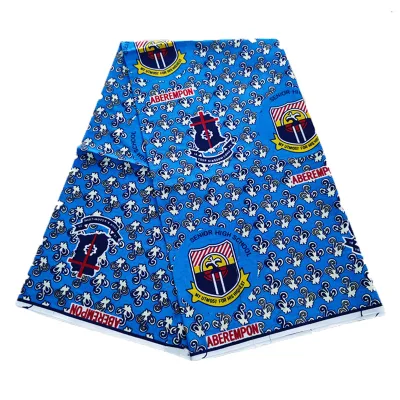


Beautifical New Design African Wax Fabric 100% Cotton Printed Wax 6yards
$0.85 - $0.87
MOQ: 9000 Meters

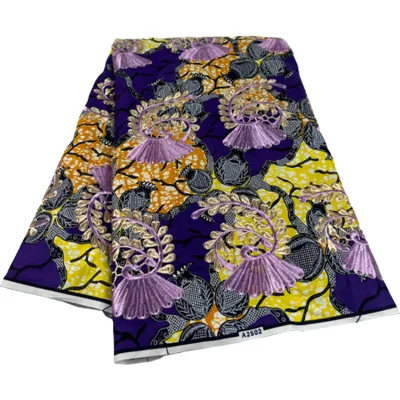
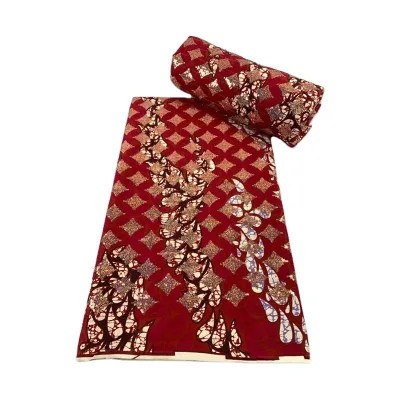
High Quality 100% Polyester Real African Fabric Wax Prints Fabric for Costumes
$0.30 - $0.32
MOQ: 60000 Meters




Comprehensive Sourcing Guide
Sicilian Style African Wax Fabric Sourcing Guide
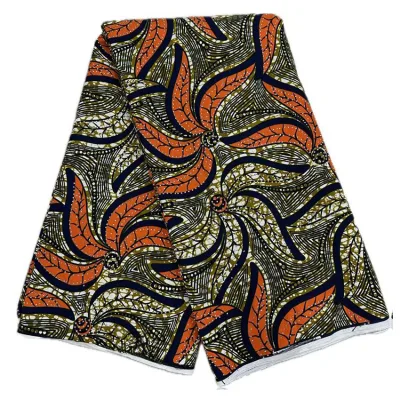
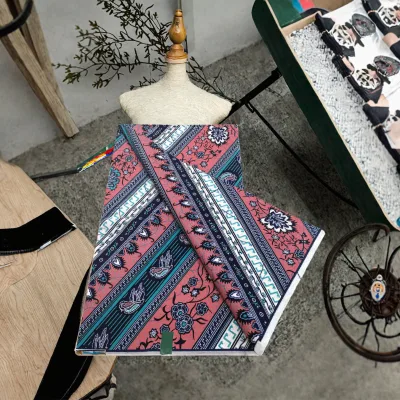
Sourcing Sicilian Style African Wax Fabric requires a nuanced understanding of the intersection between traditional West African printing techniques and specific aesthetic demands often associated with Mediterranean or "Sicilian" color palettes and motifs. While the core keyword suggests a specific regional fusion, the market reality involves suppliers offering a broad spectrum of wax prints that may incorporate floral, geometric, or abstract patterns using vibrant, high-contrast colorways. Buyers must recognize that "Sicilian style" in this context is often a descriptive term for a specific visual intensity or color combination rather than a standardized industry classification, necessitating careful review of digital samples and physical swatches to ensure the design language aligns with the intended brand identity.
The procurement process for this specific fabric type hinges on distinguishing between genuine wax prints and their imitations, as the market contains a mix of high-quality 100% cotton and polyester blends that mimic the traditional look. The observed product data indicates a diverse range of materials, including 100% cotton and 100% polyester options, each offering distinct performance characteristics regarding breathability, shrinkage, and durability. A buyer must decide early in the process whether the priority is the traditional hand-feel and breathability of cotton or the cost-efficiency and color-fastness of polyester, as this choice fundamentally dictates the technical specifications and pricing structure of the final order.
Product Scope and Observed Listing Signals
The product scope for African wax fabric encompasses a wide array of applications ranging from garment manufacturing to home textiles, including curtains, bedding, and bags. The observed listings reveal that these fabrics are available in various widths, typically around 46" to 47", and come in different weights, with specific examples noted in the 110-150 GSM range. This variability allows buyers to select materials suitable for lightweight summer dresses or heavier upholstery, but it also requires precise specification of the end-use to avoid receiving a fabric that is too flimsy or too stiff for the intended design.
Listing signals indicate that customization is a standard feature, with suppliers accepting client-specific color designs and offering various printing techniques such as pigment, disperse, digital, and nano printing. The market data shows that patterns can range from floral and solid to brushed and striped, with some suppliers explicitly offering "Real Wax," "Imitation Wax," and "Super Java" quality tiers. Buyers should verify that the "Sicilian style" aesthetic they seek is available in the specific pattern type and printing method required, as the visual outcome of a digital print may differ significantly from a traditional screen-printed wax finish.
Technical Specifications to Verify
Technical verification must begin with the fiber composition, as the supplied data highlights a split between 100% cotton and 100% polyester options, each with unique functional properties. Cotton variants are noted for being breathable and tear-resistant, making them ideal for garments, while polyester options often emphasize high strength and specific dyeing capabilities. Buyers need to confirm the exact fiber blend and yarn type, such as combed yarn, to ensure the fabric meets the durability and texture requirements of the final product, as the wrong material choice can lead to issues with shrinkage or color bleeding during production.
The physical and functional attributes of the fabric are equally critical, with observed features including waterproofing, anti-static properties, and shrink-resistance. The production techniques vary from woven to warp knitting, and the surface printing methods include screen printing, which is a common standard for authentic wax prints. It is essential to verify the specific knitting or weaving technics and the resulting fabric structure, as these factors directly influence the drape, strength, and suitability for industrial uses like shoes and clothing versus home textile applications.
Compliance and Safety Documentation
Compliance and safety documentation for African wax fabric often centers on material standards and quality certifications, with some suppliers citing SGS standards and specific material compositions like 100% polyester. Buyers should request detailed test reports that verify the fabric's adherence to safety regulations regarding chemical usage, particularly for pigments and dyes used in the printing process. The presence of certifications like SGS provides a baseline for quality assurance, but it is crucial to ensure that these certifications cover the specific batch of fabric being ordered and are relevant to the target market's regulatory requirements.
Safety considerations also extend to the functional claims made by suppliers, such as black-out capabilities or anti-static properties, which must be substantiated by independent testing. The observed data mentions specific quality tiers like "Real Wax" and "Imitation Wax," and buyers must ensure that the documentation provided clearly distinguishes between these categories to avoid misrepresentation. Verifying that the fabric meets the necessary safety standards for its intended application, whether for children's clothing or general home use, is a non-negotiable step in the procurement process to mitigate liability and ensure consumer safety.
Cost Drivers and Commercial Terms
Cost drivers for African wax fabric are heavily influenced by the material composition, with 100% cotton generally commanding a different price point than polyester blends due to differences in raw material costs and processing complexity. The observed price range of 0.15 to 7.45 USD reflects this variability, as well as the complexity of the printing technique and the quality tier of the wax print. Buyers must analyze the total cost of ownership, considering that higher-quality prints with complex patterns or specialized finishes like nano-printing may incur higher unit costs but offer better long-term value through durability and color retention.
Commercial terms such as Minimum Order Quantity (MOQ) and packaging methods are significant factors in the procurement strategy, with observed MOQs ranging from 1 to 100,000 units. The packaging options, including rolls, bales, and specific packing types, can impact logistics costs and storage requirements, making it essential to negotiate terms that align with the buyer's supply chain capabilities. Additionally, the availability of customization and the acceptance of custom orders can affect lead times and pricing, requiring clear communication regarding the timeline and cost implications of bespoke designs.
Supplier Qualification and Quality Control
Supplier qualification for African wax fabric requires a rigorous assessment of their production capabilities, including their ability to handle specific printing techniques like screen printing and their capacity for custom orders. The observed data indicates that suppliers are located in regions like Changxing, Huzhou, and China, and buyers should verify the supplier's track record in producing high-quality wax prints that meet the "Sicilian style" aesthetic requirements. It is advisable to request samples from different production batches to ensure consistency in color, pattern alignment, and fabric texture, as these are common points of variation in textile manufacturing.
Quality control measures should focus on the physical features of the fabric, such as high strength, tear resistance, and the integrity of the printed design. Buyers must establish clear acceptance criteria for defects, including issues with shrinkage, color fastness, and the uniformity of the print across the roll. Implementing a robust quality control protocol that includes pre-shipment inspections and third-party testing can help mitigate the risks associated with receiving substandard goods, ensuring that the final product meets the brand's standards for quality and performance.
Long-Term Procurement Checks
Long-term procurement checks for African wax fabric involve monitoring the consistency of the supplier's output over time and verifying that the fabric continues to meet the specified technical and aesthetic requirements. Buyers should establish a system for regular quality audits and feedback loops to address any recurring issues with shrinkage, color fading, or fabric strength. Maintaining a relationship with a supplier that offers customization and has a proven track record of delivering high-quality wax prints is essential for sustaining a reliable supply chain and ensuring the brand's reputation remains intact.
Sustainability and recyclability are emerging factors in long-term procurement, with some suppliers noting that their products are recyclable. Buyers should evaluate the environmental impact of the fabric production process and consider the end-of-life options for the material, especially if the brand has sustainability goals. Regularly reviewing the supplier's compliance with environmental standards and their ability to adapt to changing market demands will help ensure that the procurement strategy remains viable and aligned with both business objectives and consumer expectations.
FAQs
What materials are used for wax print fabric?
The fabric is available in 100% Cotton and 100% Polyester variants. Cotton options often feature combed yarn for a softer hand feel, while polyester versions utilize filament fibers for durability. Both material types support various printing techniques including pigment, disperse, and digital methods to achieve the desired wax print aesthetic.
Can I customize the design and color?
Yes, customization is available for both design and color. Buyers can request specific client colors or unique designs to match their brand identity. The supplier accepts custom orders, allowing for tailored patterns such as floral, solid, or striped prints to suit specific garment or home textile applications.
What are the functional properties of the fabric?
The fabric offers multiple functional benefits including waterproof, breathable, and tear-resistant properties. Additional features may include shrink-resistant, anti-static, and black-out capabilities depending on the specific model. These attributes make the material suitable for diverse applications ranging from outdoor garments to heavy-duty bags and home textiles.
What is the typical width and weight of the fabric?
The standard width is typically 46 or 47 inches. The weight generally ranges from 110 to 150 GSM, providing a versatile fabric weight for various uses. Specific models may vary slightly, but this range ensures the material is suitable for both lightweight garments and heavier home textile applications like curtains and bedding.
How is the fabric packed for shipping?
Packaging options include rolls, bales, or specific bale packages depending on the product model. Rolls packaging is common for continuous fabric needs, while bale packing is used for bulk shipments. This flexibility ensures the fabric arrives in optimal condition for cutting and sewing operations in garment or textile manufacturing facilities.
Which certifications and standards apply to the fabric?
Some fabric models adhere to SGS standards, ensuring quality and safety compliance. The product origin is primarily China, with specific production located in Changxing, Huzhou. Buyers should verify specific certification requirements for their target market, as standards may vary between different fabric models and material compositions like cotton or polyester.